
Riding a roadbike does not come naturally to everyone, and one particular source of frustration is the drop handlebars. I was frustrated by them too when I first started, and so I hope this illustrated introduction might be of some help. To preface, a couple of things to keep in mind: First, drop bars vary in shape. This post assumes that your bike is fitted with theflat ramp style of bars prevalent today - either the compact type found on most stock road/racing bikes, or the more classic style popular with the twine and shellack crowd (i.e. the Nitto Noodle, Grand Bois Maes, Velo Orange Course). I am also assuming that you are using contemporary"aero" style brake levers, with the brake cables hidden.Note that if you are dealing with a 1970s-80s roadbike (i.e. something like this), the shape of the original handlebars and brake levers will make some of the positions described here impossible. Not everyone agrees on which hand positions are best to use at which times, or even on what the positions are called. This write-up reflects my non-expert personal experiences, informed by local mentours.
Whether you are racing, touring or going on a leisurely ride, what makes drop handlebars special is the variety of hand positions they offer. I consider there to be 5 distinct positions available: The hoods, the hooks, the drops, the tops, and the ramps. Read on for a description of each.
 1. The Hoods
The "hoods" position refers to keeping your hands on top of the rubbery brake hoods, wrapped around them firmly. I think it is fair to say that today this is widely considered to be the standard, neutral position for riding with drop bars.When done correctly, it is extremely ergonomic, distributes the cyclist's weight nicely, and affords optimal leverage for cycling at different speeds. It is also a position from which the brake levers are easily accessible. Some cyclists report that the hoods make them lean forward too much. If this is the case, consider changing your handlebar setup - perhaps raising the bars, getting a shorter stem, or getting compact handlebars (with less distance between stem and hoods). On a properly fitted bike the hoods should feel easy and natural to reach.

There is a number of ways to hold your hands on the hoods, and this is how I usually do it. The main thing is to actually grip them and not just rest you hands upon them.

There are also different ways to brake from the hoods, and this is how I prefer to do it. Squeezing the brake lever with only two fingers while leaving the rest wrapped around the bars/hoods themselves ensures that my hands won't fly off the handlebars if I go over a bump.
For those accustomed to upright handlebars, the hoods position on a drop bar bike can feel awkward and disconcerting at first and can require some practice to use comfortably. It took me a couple of weeks before I really "got" the hoods, but once I did it's been true love. It's the position I use the most no matter what kind of riding I do. And if you are planning to take part in formal paceline training rides, chances are they will expect you to use the hoods as the standard position - and may even insist that you do so.
 2. The Hooks
While often the position shown here is referred to as the "drops," there are actually two distinct drops positions. To differentiate between them, this one is more specifically known as "the hooks." It involves holding on to the parts of the bars that curve outward, with the cyclist's hands directly behind the brake levers. It is a more aggressive and aerodynamic position that the hoods, which makes it especially useful when cycling downhill and attempting to fight wind/air resistance.

The brake levers should be easily reachable from the hooks position. Braking in this manner is more powerful than from the hoods, because it affords greater leverage. It is important to be aware of this, so as not to accidentally slam the brakes when riding at high speeds.
 3. The Drops
To differentiate from the hooks, this is what I will call the "true drops" position. To what extent the two positions are distinct really depends on the style of handlebars used. On some types of contemporary drop bars, the curvature here is so dramatic that the positions are very different - the true drops being parallel to the ground and the hooks perpendicular. On other drop bars the curve is less defined and it's hard to tell where the hooks end and the drops begin. Either way, the crucial distinction for me is that you can reach the brakes from the hooks, but not from this lower section of the drops.
Both the hooks and the lower drops positions are quite aggressive, and for beginners the crouching posture they put you in can feel scary. While at this stage I am more or less fine riding in these positions, even now I am still not as confident as I could be. Riding downhill in close proximity to others, I sometimes chicken out and stay on the hoods, simply bending my elbows a whole lot to get myself low enough over the bars. In a pinch, that tactic will do - but mastering the hooks and drops is ultimately worth it and I continue to work on it.
 4. The Tops
And now, the dreaded tops of the bars... My personal opinion is that the "tops" are bad news for beginners and are to be avoided until after you pick up some road cycling skills. Let me explain: Beginners who cannot use drop bars properly tend to hold their hands on the tops, because this reminds them of mountain bike handlebars and allows them to stay more upright than any of the other positions do. It feels safer. However, this is deeply problematic. First, you cannot reach the brakes from the tops. And if you are too scared to use the other positions, will you really be able to brake quickly and effectively when the situation calls for it? Probably not. Furthermore, drop bars are narrower than mountain bike handlebars, and holding the tops places the rider's hands too close to the stem - not the best position for controlling the bike. Nearly every time I see a beginner on a roadbike lose control of their bicycle, they are holding the tops.

That said, the tops do have their function. Some find this position helpful for climbing, as it opens up the chest and facilitates deep breathing. Also, when doing a long ride it's great to simply have it as yet another position for your restless hands. Personally, I almost never use the tops even in these circumstances, because my hands are uncomfortable. But not everyone has this issue.
 5. The Ramps
Finally, there is the rather difficult-to-photograph position called the "ramps," and I have also heard it referred to as the "shoulders." Located between the hoods and the tops, it involves holding the corners of the top portion of the handlebars. In this position the rider is more upright than on the hoods, while maintaining more control of the bike and a more ergonomic wrist position than they would on the tops. I hold my hands in this manner mostly on long rides, for short stretches at a time, when I want to do something different or be more upright for a bit.

All these new positions can certainly be overwhelming. As far as a starting point, I suggest learning to use the hoods well first, then transitioning to learning the hooks/drops. If the pictures here are not enough to help you understand the positions and the braking, ask an experienced cyclist to show you in person and imitate them. I did this some time ago, and it was more helpful than any online tutorial I could have read.And for those riding vintage bikes with handlebars like these and having trouble using them, consider updating the bar setup. You cannot use the hoods with that style of handlebars and levers, and I wish someone told me that when I first struggled with vintage roadbikes 3 years ago.
While drop handlebars are easy and intuitive for some, for others it takes practice to get comfortable with the different positions. My suggestion is to not be intimidated and just keep practicing. If you ask me, it's worth it.


 This was a tin tray that belonged to my mom before she met my dad. It has tulips in the design and the handle had other flowers on it. It says it is made by Rodney Kent. Apparently he made a lot of beaten tin items back in the 1920' and 30's. I also have a round plate by him with no design. I found lots of his work on the internet.
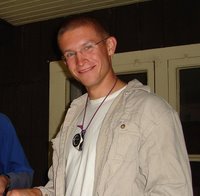 I met Charlie on a trip to Mount Rainier’s summit. During the ascent, and subsequent overnight on the summit, it became clear to me that Charlie had a vision of his life. As a young man about to finish college, Charlie was amassing the skills and experiences to lead the life of an accomplished climber. I recognized the love and passion, and from that time on the summit, knew that mountains were going to be a big part of Charlie.
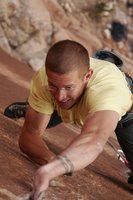 Charlie served as a National Park Service Climbing Ranger. He started as a volunteer at Camp Schurman, but quickly climbed the ranks to become a lead climbing ranger on Mount Rainier. Charlie’s assignments as a climbing ranger required him to delicately mix intense physical ability with sound judgment and excellent decision making. The job was adventurous and dynamic and that seemed to suit Charlie well. So well in fact, that he took assignments at Yosemite on the prestigous search and rescue team in Camp 4.


 The new piece of information from this record is the maiden name of Eliza's mother, GARNE. Although I don't know how helpful that will be! An initial search for that surname at www.ancestry.com turned up absolutely no useful information. Without having actually looked at the death record I don't know if GARNE is what was in the record or if it was perhaps, a best guess by the clerk.
 Looks like summertime is finally going to be with us for awhile. With nothing but sunny days in the forecast, now is the time to come out and crush the mountain! Conditions on the upper mountain are as good as they get for early July. Routes such as Liberty Ridge and the Fuhrer Finger that normally get a little thin this time of year are still holding lots of snow and should really be climbed a lot in the coming weeks.
 Climbing rangers have been fairly busy over the past weeks with a number of tasks including climbing the mountain, training with the military, doing a couple of searches and rescues, and in our spare time trying to keep the toilets clean. One of the most special things that has happened in our world lately is that we have been able to host Ang Tshering Lama, a Nepalese climber, who was here as a guest ranger for three weeks in June. Ang spent time at both Camp Muir and Camp Schurman, patrolling climbing routes with rangers, taking part in our various trainings, and assisting in multiple rescues. If you were at Camp Muir or Schurman in the past few weeks you might have even caught a smell of the delicious food he cooked up for us during his
  stay. This is the third year in a row we have hosted Nepalese climbers in our program and we are very proud of our close relationship with their climbing community. Later this summer we will be hosting the Korean Alpine Rescue Team, so stay tuned...







 A short way along Twyford's Main Street took us to our path - off to the right, and now heading south west again, over the B6047 and along Park Road, just to the north of Lowesby.

 Soon after this our path crosses the route we took earlier in the walk and it's downhill into Ashby Folville all the way.

